
The Witch Cult in Western Europe
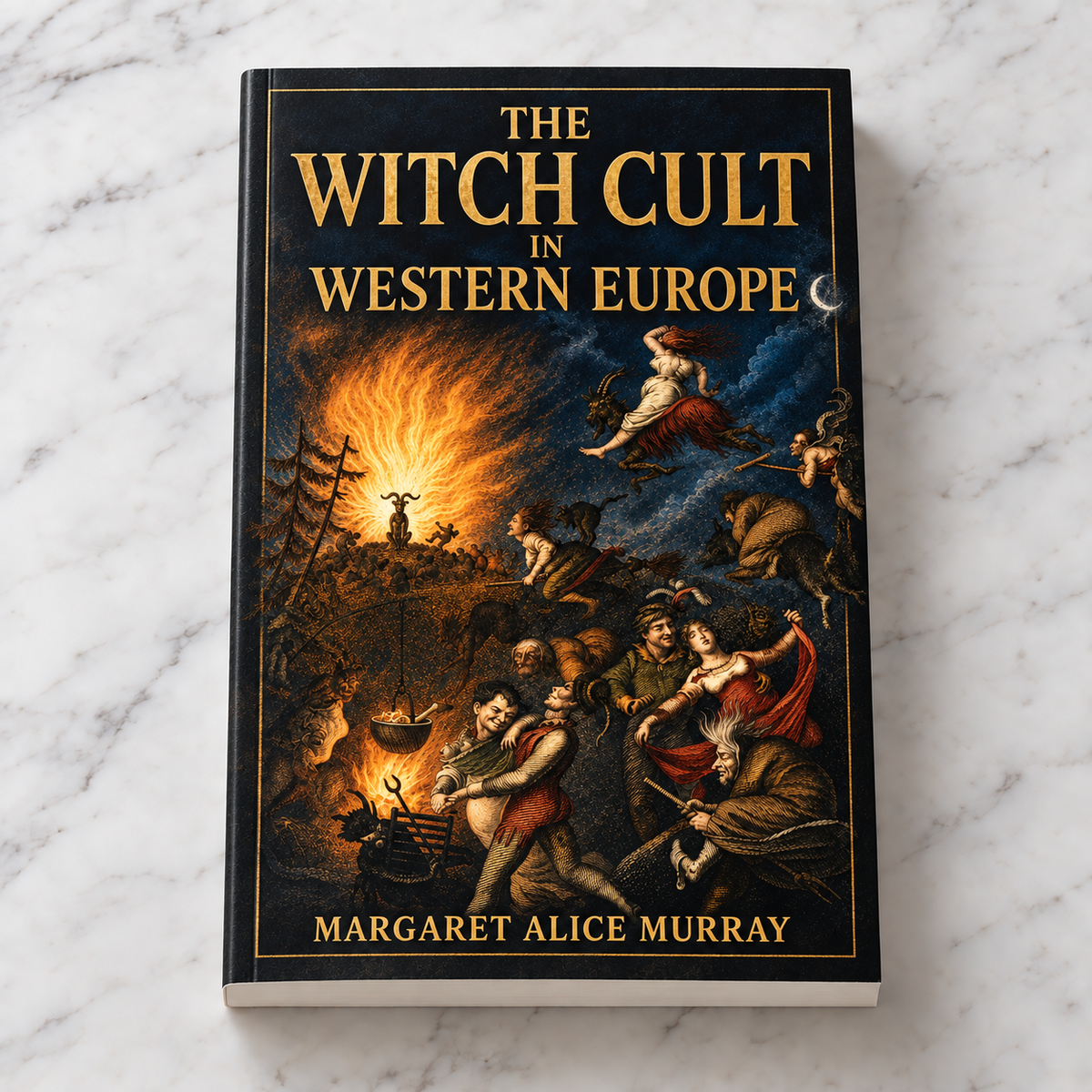
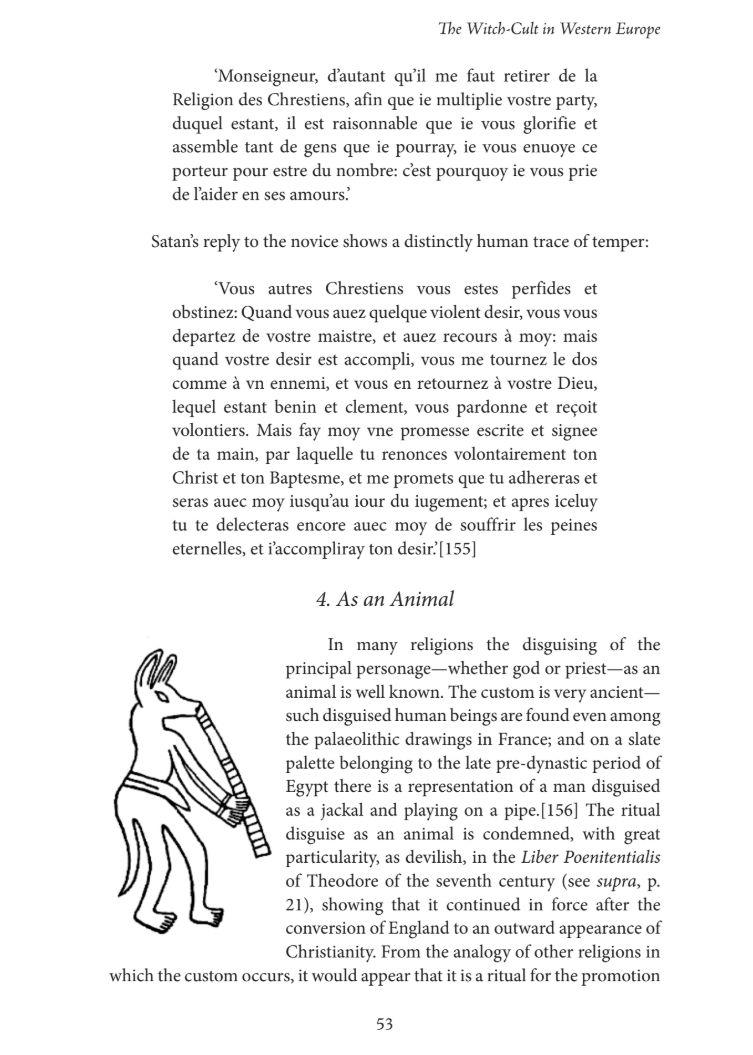
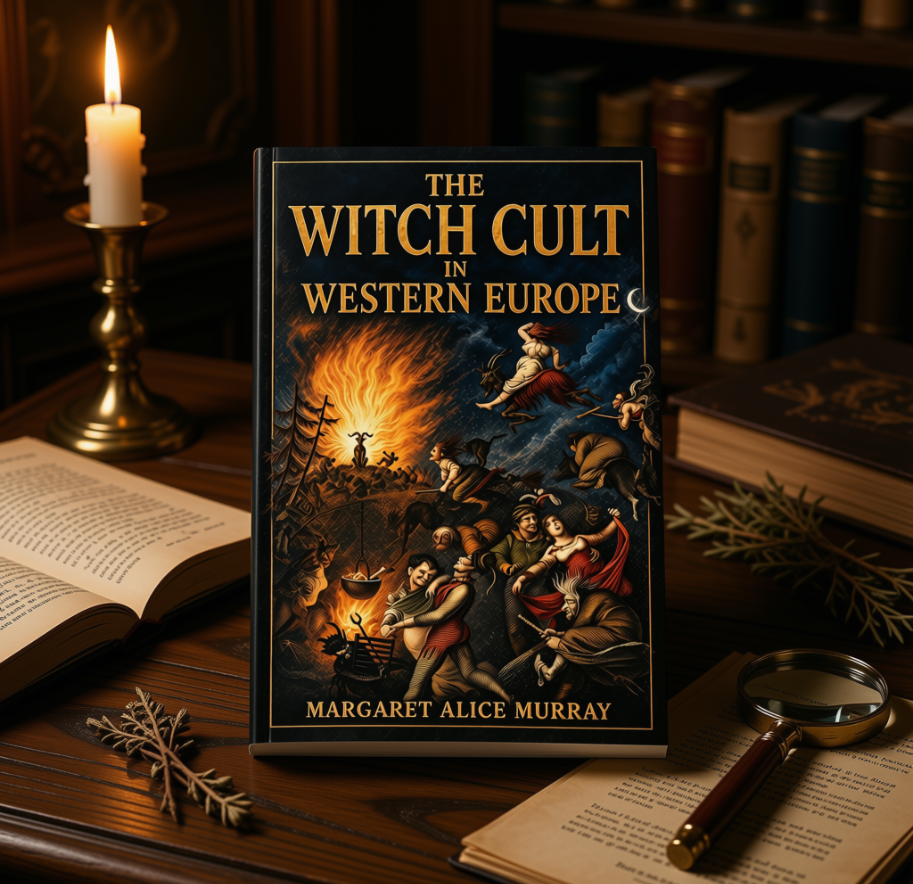
The Witch Cult in Western Europe


Choose options
About this book
First published in 1921, The Witch-Cult in Western Europe: A Study in Anthropology is Margaret Alice Murray’s controversial attempt to reinterpret the history of European witchcraft. Drawing on witch-trial records, historical documents and folklore, Murray argued that beneath the accusations recorded by Christian authorities lay traces of an organised, pre-Christian religion that had survived into the early modern period.
This idea, later known as the witch-cult hypothesis, departed sharply from conventional interpretations of the witch trials. Murray proposed that at least some of those accused of witchcraft were participants in an underground fertility religion whose ceremonies and beliefs preserved elements of an older pagan tradition.
Although the title ranges across Western Europe, much of Murray’s evidence comes from Britain, supplemented by material from France and Flanders. Reading across trial testimony and other historical accounts, she searched for recurring details that might reveal a common religious structure behind otherwise scattered accusations.
The resulting study examines many of the features traditionally associated with European witchcraft: initiation ceremonies, covens, Sabbaths and other assemblies, ritual practices, familiars and accounts of transformation. Murray paid particular attention to the figure described by interrogators and witnesses as the Devil. Rather than accepting this figure simply as the Christian Satan, she interpreted some of these accounts as distorted descriptions of a pre-Christian deity worshipped by members of the supposed cult.
Murray also attempted to reconstruct how this religion might have been organised. She considered descriptions of ritual leaders, ceremonies of admission, vows, feasts and gatherings, looking for patterns within testimony produced across different places and periods. The book's extensive notes and appendices reveal both the breadth of material she consulted and the interpretative method by which she assembled it into a single theory.
That theory has not survived modern historical scrutiny. Scholars have extensively challenged Murray’s selection and interpretation of evidence, and the existence of the widespread, organised pagan witch-cult she proposed is not accepted as an established explanation of the European witch trials. The importance of the book lies instead in the remarkable afterlife of its argument.
Murray's interpretation helped popularise an image of the historical witch as the follower of an older pagan religion rather than simply the servant of Satan described by Christian demonologists. Her ideas subsequently reached well beyond academic anthropology, becoming influential in twentieth-century occult writing and in the developing narratives surrounding modern Pagan witchcraft.
Read today, The Witch-Cult in Western Europe is perhaps most revealing as a document of its own intellectual moment: an ambitious and disputed attempt to find an ancient religious tradition behind the surviving records of European witch persecution. Its combination of folklore, anthropology, trial testimony and speculative reconstruction makes it an important work in the history of how witchcraft itself has been interpreted.
A Landmark Study in the History of Witchcraft
The Witch Cult in Western Europe
Product Details
We ship worldwide, with print locations in the UK, USA and Canada. Our Box Sets are produced exclusively in the UK. All orders are sent fully tracked and insured. From the date your order is placed, please allow the following estimated delivery times:
UK: 10–21 working days
USA: 10–21 working days
Europe: 10–21 working days
Rest of World: 10–21 working days
Our books are printed to order, so we are unable to accept returns for change of mind except where required by applicable law. If your order arrives damaged, faulty or incorrect, please contact us and we will arrange a replacement or appropriate resolution. This does not affect your statutory rights. Please see our full Returns & Refunds Policy for further information.



First to Discover What’s Next
New collections, newly restored books, exclusive digital releases and occasional subscriber-only offers, sent directly to your inbox.