
Aradia: The Gospel of the Witches
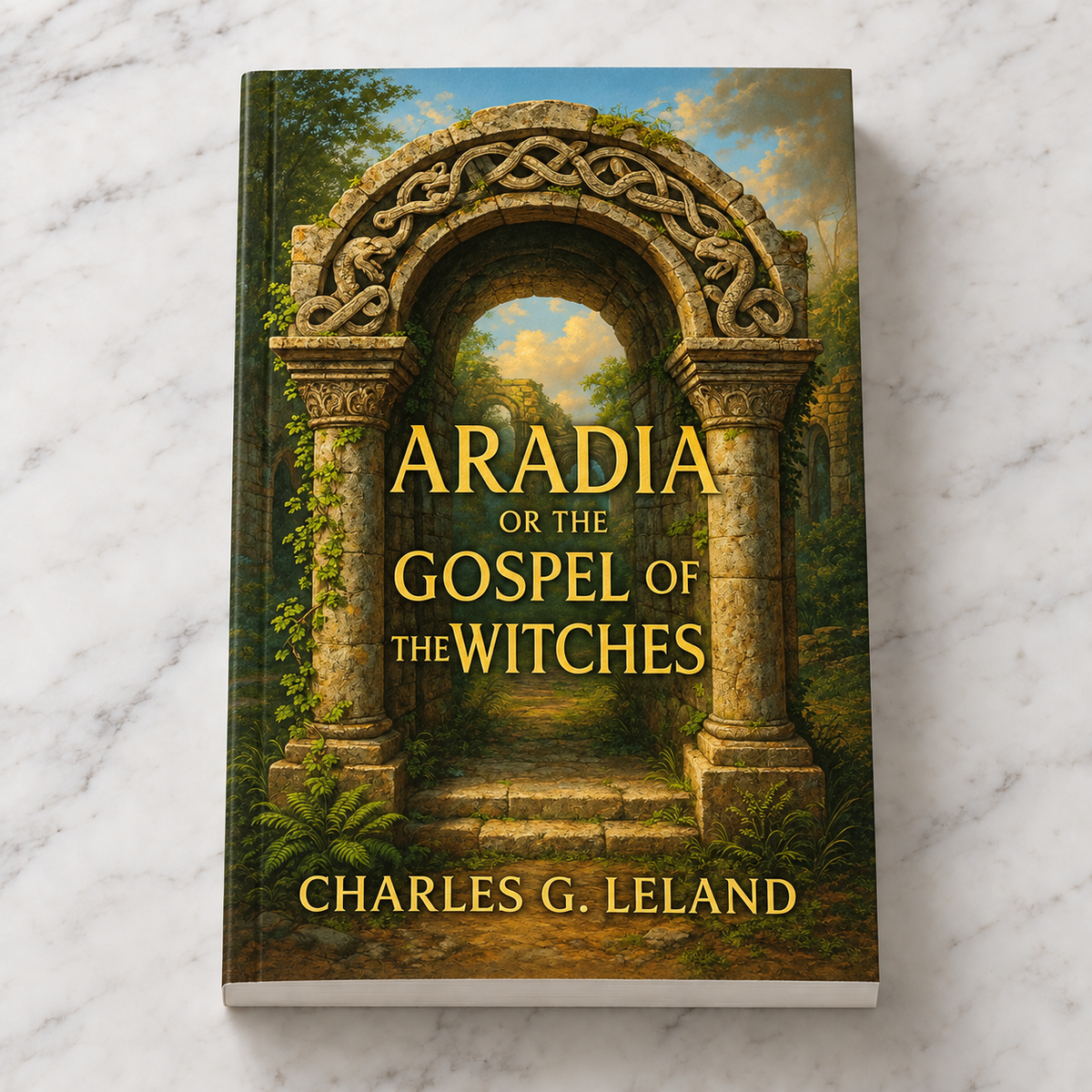
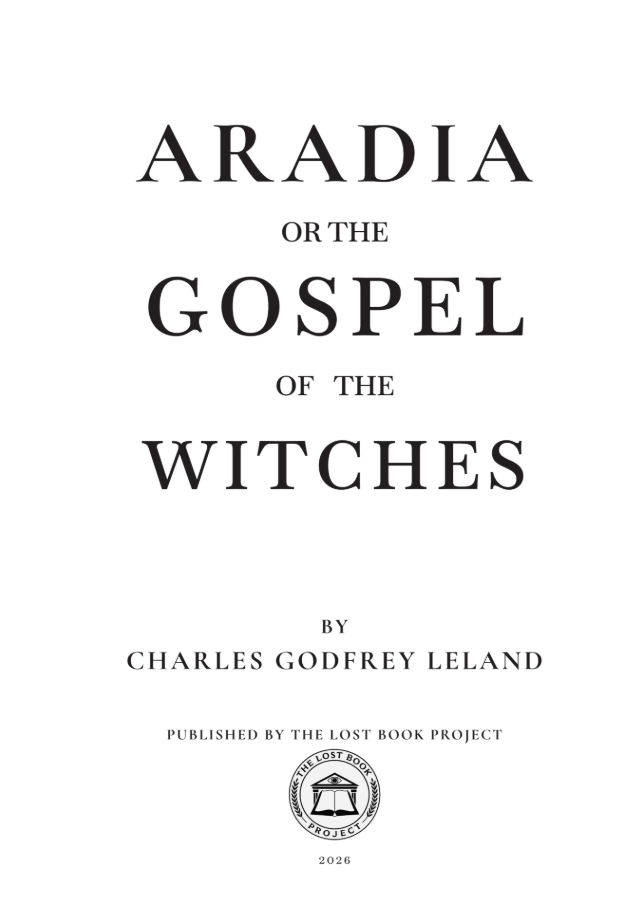
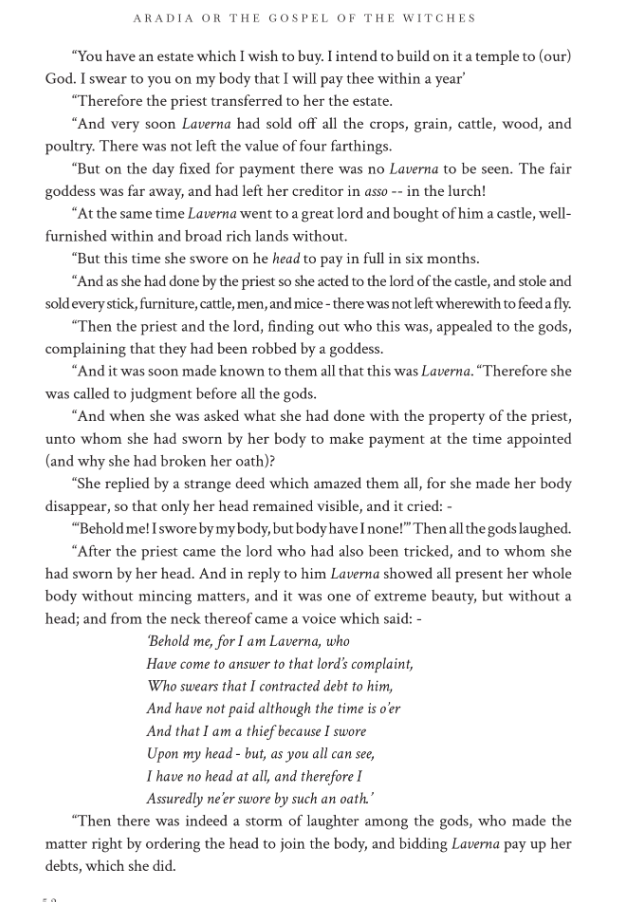
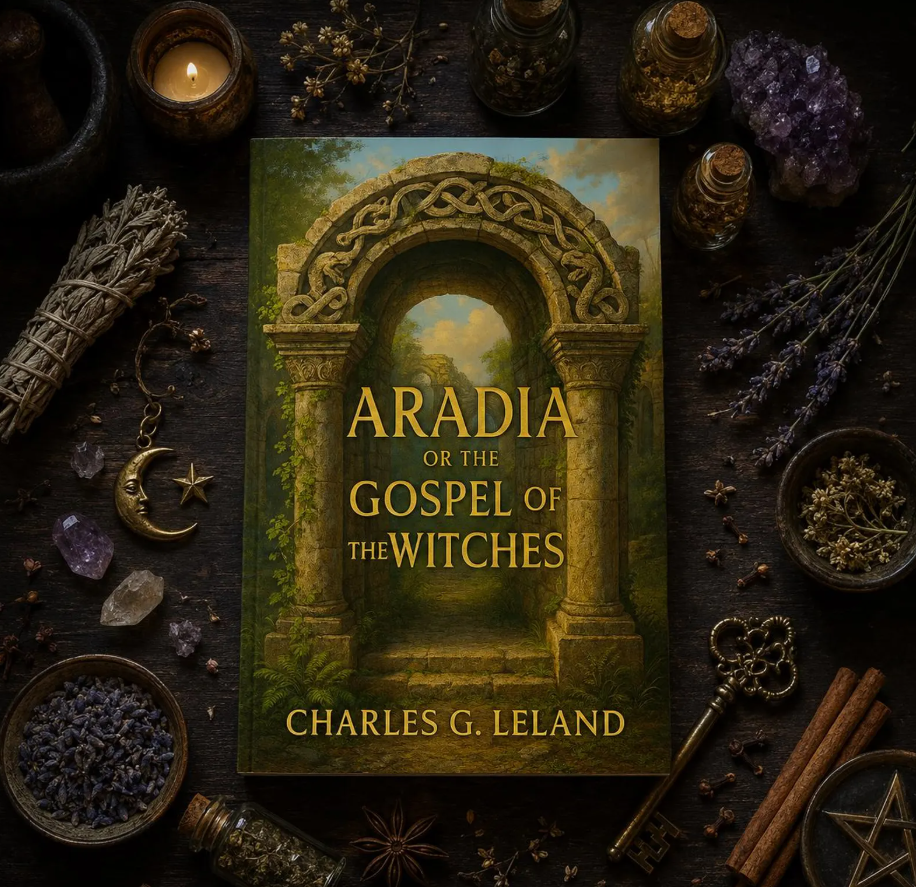
Aradia: The Gospel of the Witches


Choose options
About this book
First published in 1899, Aradia, or the Gospel of the Witches occupies a curious and much-debated place between folklore, occult literature and the later history of modern witchcraft. Its author, the American folklorist Charles Godfrey Leland, presented the book as a record of traditions surviving among practitioners of witchcraft in Tuscany, much of the material having been supplied to him by an Italian woman he called Maddalena.
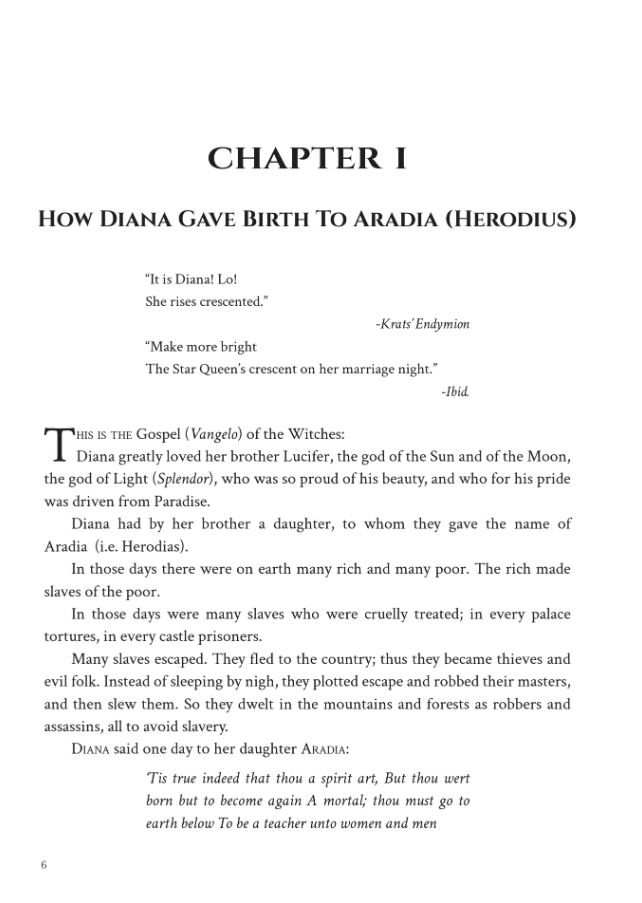
At the centre of the work is Diana, goddess of the moon and of witches, and her daughter Aradia. In Leland's account, Aradia is sent to earth as a teacher of witchcraft, charged with passing magical knowledge to the poor and oppressed. The resulting mythology is an unusual mixture of classical deities, Christian imagery, folk belief and magic: Diana is paired with Lucifer, while Aradia assumes the role of a female messianic figure.
The book contains far more than mythology. Its chapters include invocations, charms, spells, ritual meals and instructions associated with Diana and Aradia. Among them are the consecration of a ritual supper, charms involving stones and herbs, a spell for love and rites intended to bring good fortune. Elsewhere appear stories of Diana, Cain, spirits and other figures drawn from the varied landscape of Italian popular belief.
Precisely where this material came from remains one of the enduring questions surrounding Aradia. Leland maintained that Maddalena had collected traditions for him over a number of years and eventually supplied the manuscript he called the Vangelo, or Gospel. He admitted, however, that he did not know with certainty how much had originated in written sources and how much in oral tradition. Later scholars have consequently approached the text in very different ways: as genuine folklore, as material substantially shaped by Leland or his informant, or as some combination of the two.
That uncertainty is part of what makes Aradia such an intriguing historical document. Rather than providing a straightforward record of an identifiable ancient religion, it offers a glimpse into the complicated meeting point between nineteenth-century folklore collecting, Italian popular magic and the period's fascination with surviving pagan traditions.
Its subsequent history proved almost as significant as its origins. During the twentieth century, Aradia became an important text for writers and practitioners involved in the development of Neopagan witchcraft, including Wicca and Stregheria. Its goddess-centred mythology, lunar imagery and depiction of ritual witchcraft gave the book an influence far beyond the relatively obscure folkloric context in which it first appeared.
More than a century after publication, Aradia, or the Gospel of the Witches remains a fascinating and controversial work: part folklore collection, part occult text, and an important source in the history of how witchcraft was reimagined at the turn of the twentieth century.
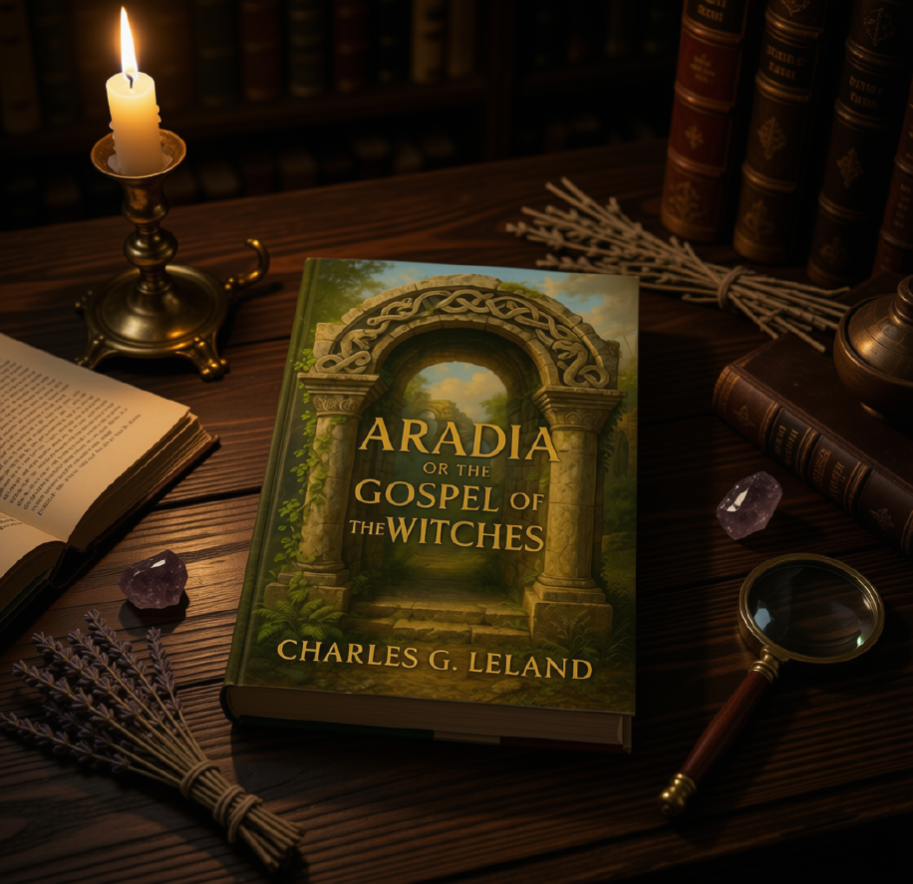
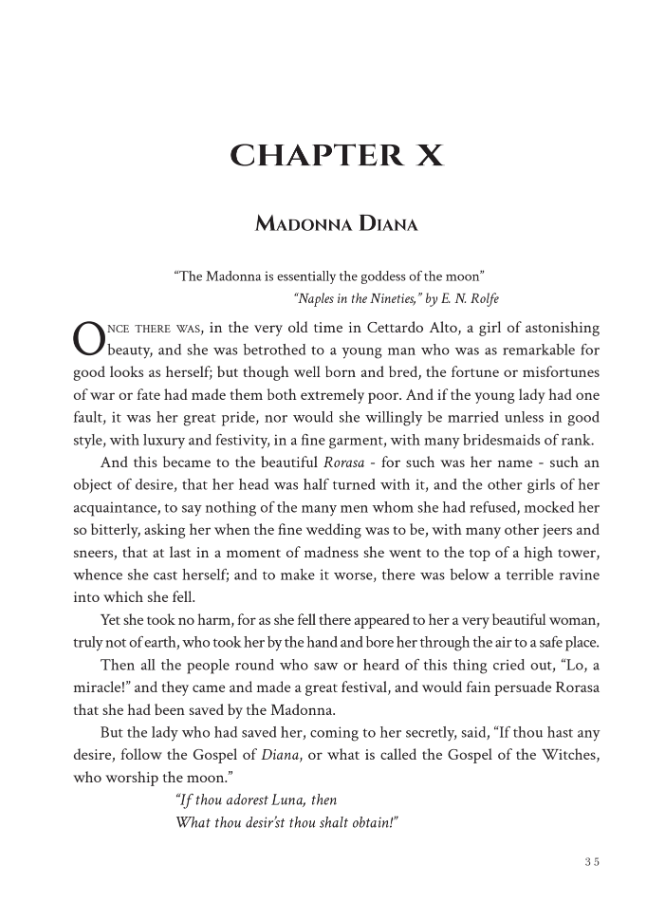
Inside the book
Aradia: or The Gospel of the Witches
Product Details
We ship worldwide, with print locations in the UK, USA and Canada. Our Box Sets are produced exclusively in the UK. All orders are sent fully tracked and insured. From the date your order is placed, please allow the following estimated delivery times:
UK: 10–21 working days
USA: 10–21 working days
Europe: 10–21 working days
Rest of World: 10–21 working days
Our books are printed to order, so we are unable to accept returns for change of mind except where required by applicable law. If your order arrives damaged, faulty or incorrect, please contact us and we will arrange a replacement or appropriate resolution. This does not affect your statutory rights. Please see our full Returns & Refunds Policy for further information.



First to Discover What’s Next
New collections, newly restored books, exclusive digital releases and occasional subscriber-only offers, sent directly to your inbox.